Insights
Breaking down the Texas ophthalmology practice’s $2.9M settlement over kickback allegations: CoFi’s timely discussion with Alan Reider
Q&A with Alan Reider, the country's foremost expert on compliance in ophthalmology
AR
Alan Reider
•
10 min read
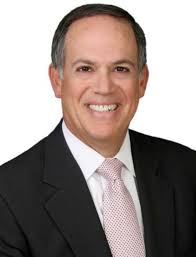
Alan Reider is the principal at LSR Consulting. He’s a former partner at the law firm Arnold & Porter in Washington DC. Alan has long been the go-to expert in ophthalmology for compliance issues and has been a consultant to CoFi almost from our founding.
Sean Hanlon is the founder and CEO of CoFi, a payments platform used by over 2,000 ophthalmologists and optometrists that enables patients to make separate payments to multiple providers at one time.
On Thursday, March 23, 2023, the US Department of Justice announced that an Ophthalmology Practice in Texas had agreed to pay just under $3 million to settle kickback allegations relating to charges of inducement of referrals from optometrists.
Sean met with Alan to discuss the settlement and its implications for ophthalmology practices. Below is the transcript from this discussion, lightly edited for brevity and context.
Sean: Hi Alan. Thanks for joining me for this conversation. I think it’s a timely one. Let’s cut right to the chase: Does this settlement and the language used by the DOJ in its press release about it spell the end of co-management? What about co-management of premium services?
Alan: No, it certainly doesn’t spell the end of co-management. It doesn’t suggest that the government feels that co-management is inappropriate. While co-management isn’t being challenged in an of itself, the key from this case is you have to do it right.
Looking at the press release issued by the DOJ, it makes it pretty clear that they were questioning whether there were services performed by the co-managers and, if so, did they justify the fee that they were paid.
Sean: The release focuses on compensation paid to optometrists that was “not tied to or commensurate with actual post-operative services specifically attributed to premium IOLs”. In other words, with respect to co-management, the implication is there’s nothing wrong about co-management or co-management of premium lens patients – provided the amount received by the co-managing provider is not untethered from the actual value of those services and the overall relationship, of which co-management is a part, isn’t geared toward inducing referrals. That leads right into the heart of the matter with respect to co-management, and that is Fair Market Value (FMV). How should ophthalmology practices be thinking about FMV in practice?
Alan: When it comes to standard co-management services, we don’t have to worry about FMV because the government has told us what FVM is. Medicare sets the amount that it will reimburse for the post-operative care component of the cataract procedure. The optometrist bills for those services and the surgeon bills for their services.
When it comes to premium lenses, the question is what services are being provided by the co-managing optometrist that wouldn’t otherwise have been provided for a standard lens implant. For premium lens procedures, there are two components: One is what are those services the OD is performing, and what does the OD charge for them? And the second is what services are not being performed by the surgeon or ophthalmology practice, and what are those worth? If the patient is not going to be seen by the surgeon during the global period, then the surgeon will presumably reduce his or her fees by an amount that’s reflective of the value of those services. The optometrists’ fee need not match the surgeon’s fee for those services but should be related to the services the optometrist performs.
Sean: What about the ophthalmologist paying the OD vs. the OD collecting their own fees from the patient?
Alan: For many, many years, I have advised the following: There is nothing inherently improper if the ophthalmologist collects a global fee and then pays the optometrist. But a critical point is that it’s the patient that is paying for each provider’s services and the ophthalmologist is obligated to make it clear to the patient about the portion that’s going to the optometrist.
However, now we have to face reality. If you look at the complaint in this Texas case and the complaint in another case in Tennessee that I know many people are aware of – both complaints allege a number of items of improper conduct, one of which is the fact that the surgeon is paying the optometrist. What this means is that this is now another issue that has to be addressed if there’s an accusation. So the way to avoid that problem or that issue is to have payment made directly from the patient to the optometrist, and have the ophthalmologist be independent of that payment.
Sean: I read this release as the DOJ is focused on the overall relationship between the ophthalmology practice and the optometrists, and not just proper co-management. Let’s talk about the things in the release that have nothing to do with co-management, like free symposia for CE credits for optometrists, dinners, gifts, and so forth. It seems like a flashing yellow light for many practices.
Alan: Instinctively, one might say ‘why would it be a bad thing to provide education to optometrists? It’s good for the OD, it’s good for the patient, etc.’ It’s true that the education is a good thing. But, if the OD would have to otherwise pay to receive those continuing education credits, then you’re providing something of value by providing it to them for free.
The real problem is that, as the government becomes more familiar with various relationships and referral networking practices, things like this will come under more scrutiny. In fact, if you look at the complaint in this case, there is not one word about CE courses. But the government has become informed through their investigations in the Tennessee case about a range of collateral benefits provided to optometrists. So, while the government began investigating a very focused allegation in the Texas case, they became informed by what they learned in the Tennessee case, and started to look at all the other related conduct they’re now aware of.
As you get more and more information out in the public, it can trigger more and more risk for whistleblower cases in other areas. And that speaks to what I said at the beginning of this conversation, which is the key takeaway from this Texas case with respect to co-management is you have to do it right.